
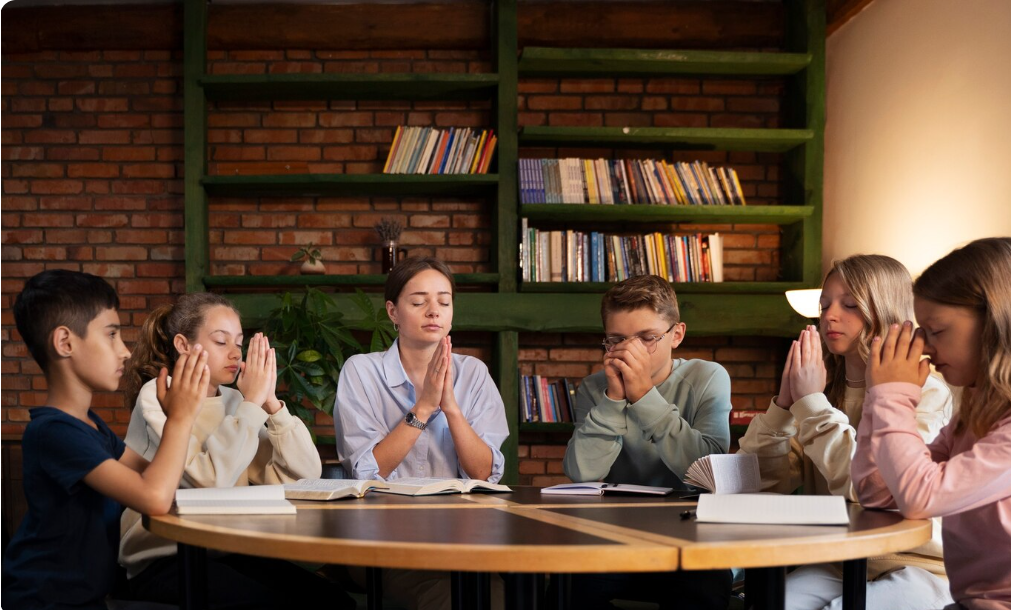

Educational Discussions play an important role in helping students develop critical thinking, communication skills, creativity, and a deeper understanding of academic subjects. Through meaningful conversations, learners can share ideas, ask questions, examine different perspectives, and learn from one another.
In schools, colleges, universities, and professional training environments, educational discussions encourage active participation rather than passive listening. They help teachers understand students’ viewpoints while giving learners opportunities to express their thoughts confidently.
Whether the topic involves science, history, technology, literature, or social issues, a well-organized discussion can turn an ordinary lesson into an engaging learning experience.
What Are Educational Discussions?
Educational discussions are structured or informal conversations designed to improve understanding, exchange knowledge, explore ideas, and encourage learning. They may take place between teachers and students, among classmates, or within groups of educators.
Unlike conversations that have no specific learning objective, educational discussions usually focus on a question, problem, subject, or concept that participants want to understand more clearly.
For example, a science teacher may ask students why climate change affects different regions differently. Students can share their initial ideas, examine scientific evidence, and discuss possible solutions.
Similarly, a literature teacher may invite students to discuss a character’s decisions in a novel. Each student can offer an interpretation supported by details from the text.
Educational discussions can take place in classrooms, seminars, workshops, online forums, study groups, and professional development sessions.
Why Are Educational Discussions Important?
Educational discussions contribute to a more interactive and thoughtful learning environment. They help students move beyond memorizing information and begin examining how ideas connect with real-life situations.
1. Develop Critical Thinking Skills
Discussions encourage students to analyze information, compare arguments, identify assumptions, and evaluate evidence.
When learners are asked to explain why they agree or disagree with an idea, they must think carefully about their reasoning instead of simply repeating information.
2. Improve Communication Skills
Students learn to explain their thoughts clearly, listen to others, ask relevant questions, and respond respectfully.
These abilities are valuable in academic work, professional environments, and everyday communication.
3. Encourage Active Learning

During a discussion, students participate directly in the learning process. They can ask questions, challenge assumptions, share examples, and connect new information with their existing knowledge.
Active participation can also help teachers identify misunderstandings that may not be obvious during a traditional lecture.
4. Build Confidence and Independence
Students who regularly participate in supportive discussions may become more comfortable expressing their opinions.
As they learn to support their ideas with evidence, they can develop greater confidence in their ability to reason independently.
5. Promote Collaboration and Respect
Educational discussions expose learners to different experiences and viewpoints. Students can learn that disagreement does not have to lead to conflict.
When participants listen carefully and respond respectfully, discussions can strengthen teamwork and mutual understanding.
Main Types of Educational Discussions
Different discussion formats serve different educational purposes. Teachers should select a format based on the subject, age group, available time, and learning objectives.
Classroom Discussions
Classroom discussions involve teachers and students exploring a topic together. The teacher may introduce a question, invite responses, and guide the conversation toward important learning goals.
For example, after teaching a history lesson, a teacher might ask students how a particular historical event influenced society.
Group Discussions
In group discussions, a small number of students work together to explore a question or solve a problem.
This format gives more learners an opportunity to contribute than a discussion involving the entire class.
Group discussions can be useful for research assignments, case studies, project planning, and collaborative problem-solving.
Debate-Based Discussions
Debates ask participants to examine different positions on a question or issue. Students must explain their arguments, consider counterarguments, and support their claims with relevant information.
For example, a classroom debate might explore whether schools should limit smartphone use during lessons.
The objective should be to strengthen reasoning and evidence-based communication, not simply to declare one participant the winner.
Socratic Discussions
Socratic discussions use thoughtful questions to help learners examine assumptions and develop their own understanding.
Instead of immediately providing answers, the teacher asks follow-up questions such as:
- What evidence supports that conclusion?
- Could there be another explanation?
- What assumptions are we making?
- How would the situation change under different circumstances?
This method encourages deeper analysis and reflective thinking.
Online Educational Discussions
Online discussions take place through learning platforms, educational forums, video meetings, or digital classrooms.
They allow students to contribute from different locations and may provide additional time to research and organize responses.
However, successful online discussions require clear expectations, respectful communication, and suitable access to technology.
Educational Discussion Topics for Students
Choosing an appropriate topic is essential for creating a productive discussion. Topics should match students’ knowledge levels while encouraging curiosity and thoughtful participation.
Here are some useful ideas for different subjects.
Science and Technology
- How does technology change the way students learn?
- What can individuals do to reduce environmental pollution?
- Should artificial intelligence be used in education?
- How can renewable energy help communities?
- Why is scientific research important for society?
Education and Learning
- Should schools assign homework every day?
- What makes a teacher effective?
- Is online learning as effective as classroom learning?
- How can students improve their study habits?
- Why is lifelong learning important?
Society and Personal Development
- Why is teamwork important?
- How can students manage stress during examinations?
- What role does kindness play in a school community?
- How can young people become responsible digital citizens?
- Why should people learn about different cultures?
Literature and History
- How do stories influence our understanding of people?
- Why is it important to preserve historical monuments?
- What can students learn from historical leaders?
- How do a writer’s experiences influence a story?
- Why should historical events be studied from multiple perspectives?
Teachers should provide relevant background information when topics involve complex or sensitive issues. Students should also be encouraged to distinguish facts, opinions, and unsupported claims.
Benefits of Educational Discussions for Students and Teachers
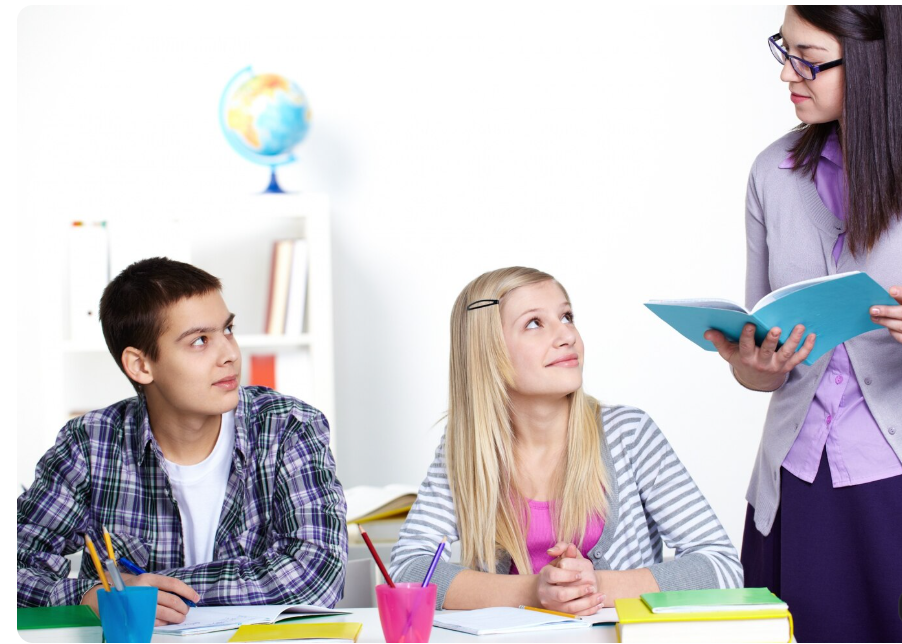
Educational discussions can benefit both learners and educators when they are organized around clear objectives.
Benefits for Students
- Better understanding: Explaining ideas in their own words helps students examine what they know.
- Improved speaking skills: Regular participation develops clarity and confidence.
- Stronger reasoning: Students learn to support claims with examples and evidence.
- Greater engagement: Interactive lessons provide opportunities to contribute actively.
- Better listening: Learners practise understanding different viewpoints before responding.
- Collaborative learning: Students exchange knowledge and develop solutions together.
- Greater self-awareness: Participants can recognize gaps in their understanding and identify areas for improvement.
Benefits for Teachers
Teachers can use educational discussions to discover how students understand a subject and which concepts require further explanation.
Discussions also help teachers:
- Identify misconceptions before assessments.
- Encourage participation from different learners.
- Adapt lessons to students’ questions and interests.
- Evaluate reasoning and communication skills.
- Build stronger relationships with students.
- Introduce practical examples and real-world problems.
A successful discussion benefits from teacher guidance without requiring the teacher to control every contribution.
Educational Discussions vs. Traditional Lectures
Both discussions and lectures are useful teaching methods. Their effectiveness depends on the learning objective and how each method is implemented.
| Feature | Educational discussions | Traditional lectures |
|---|---|---|
| Student participation | Usually high | Often lower during the presentation |
| Main learning activity | Sharing, questioning, analyzing, and responding | Listening, observing, and taking notes |
| Communication | Often involves multiple participants | Primarily teacher-to-student |
| Feedback | Questions and misunderstandings can surface during discussion | Feedback may occur during or after the lecture |
| Time requirements | May require substantial time for exploration | Can cover organized content efficiently |
| Best suited for | Critical thinking, interpretation, collaboration | Introducing information and explaining core concepts |
Teachers can combine both approaches. A short lecture can introduce a topic, followed by a discussion that allows students to apply and question what they have learned.
How to Conduct Effective Educational Discussions
A productive discussion requires preparation, clear expectations, and opportunities for different students to participate.
Step 1: Establish a Clear Objective
Decide what students should understand or accomplish by the end of the discussion.
For example, the objective may be to compare two scientific explanations, evaluate a historical decision, or identify possible solutions to a community problem.
Step 2: Choose an Engaging Question
A strong discussion question invites explanation rather than a simple yes-or-no answer.
Instead of asking, “Is technology useful?”, ask, “How can technology improve education, and what problems can it create?”
The second question encourages students to examine benefits, limitations, and examples.
Step 3: Provide Background Information
Students may need a short reading, a data chart, a video, or a brief explanation before beginning.
Providing shared background information helps participants contribute meaningfully and reduces confusion.
Step 4: Set Discussion Guidelines
Explain expectations for respectful participation. Students should listen without interrupting, support their ideas with evidence, and respond to arguments rather than attacking individuals.
Teachers should also make room for students who need more time to organize their thoughts.
Step 5: Encourage Balanced Participation
Some students may speak frequently while others remain quiet.
Teachers can use small groups, written reflections, round-robin responses, or think-pair-share activities to provide different ways to contribute.
Step 6: Ask Follow-Up Questions
Follow-up questions can deepen the discussion and help students examine their reasoning.
Useful questions include:
- Can you explain your reasoning?
- What example supports your point?
- What might someone with a different viewpoint say?
- What information would help us answer this question?
- How could we apply this idea in real life?
Step 7: Summarize the Main Ideas
At the end, review the most important conclusions, disagreements, and unanswered questions.
Students can write a short reflection describing what they learned and whether their opinions changed after hearing other perspectives.
Challenges of Educational Discussions and How to Overcome Them
Although discussions provide many benefits, teachers may encounter several difficulties.
Limited Participation
Some students may feel shy or worry that their answers will be judged.
Solution: Begin with pair discussions or short written responses before asking students to speak to the whole class. Encourage thoughtful contributions rather than expecting perfect answers.
Dominance by a Few Participants
Confident students may take most of the speaking time, leaving others with fewer opportunities.
Solution: Establish reasonable speaking limits, use small groups, and invite contributions from students who have not yet spoken without putting them under uncomfortable pressure.
Off-Topic Conversations
A discussion can lose focus when participants introduce unrelated examples or move away from the original question.
Solution: Keep the main question visible and use brief summaries to reconnect contributions with the learning objective.
Disagreements and Misunderstandings
Participants may disagree strongly about an issue or interpret information differently.
Solution: Ask students to explain their reasoning, identify evidence, and respond respectfully. Establish boundaries for sensitive discussions and intervene when necessary.
Limited Classroom Time
Deep discussions can take longer than expected.
Solution: Set a time limit, prioritize two or three key questions, and use short written follow-up activities when additional reflection is needed.
The Role of Technology in Educational Discussions
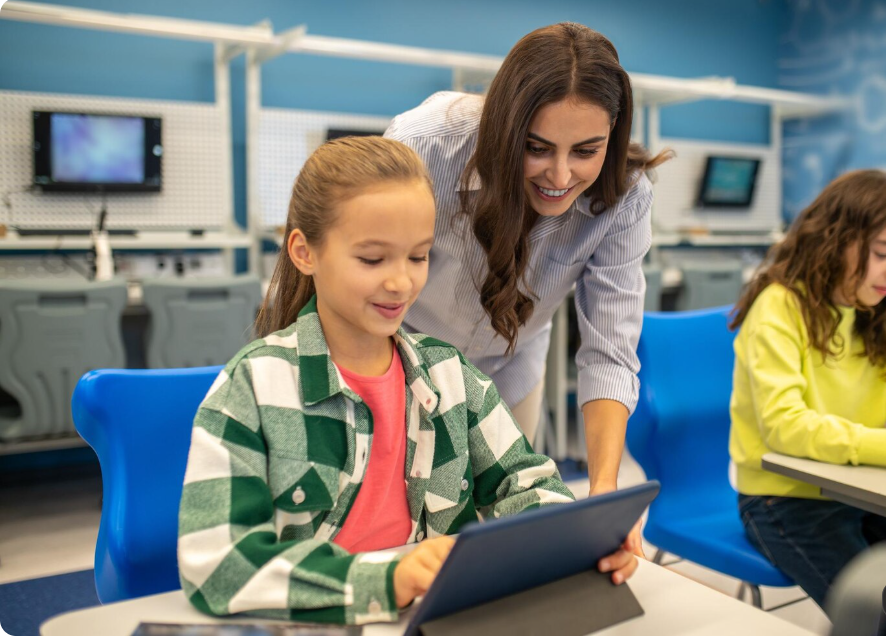
Digital tools can expand opportunities for discussion beyond the physical classroom.
Online forums allow students to respond at their own pace, while video meetings support real-time conversations. Shared documents can help groups develop ideas together, and digital polls can quickly reveal different opinions.
Teachers can also use learning management systems to post discussion questions, collect written responses, and provide feedback.
However, technology should support meaningful participation rather than replace it. Clear online communication rules, privacy protection, accessible platforms, and reliable information remain essential.
Frequently Asked Questions (FAQs)
1. What are educational discussions?
Educational discussions are conversations designed to help learners explore subjects, exchange ideas, ask questions, and develop understanding. They may take place in classrooms, study groups, seminars, or online learning environments.
2. What are the main types of educational discussions?
Common types include classroom discussions, group discussions, debates, Socratic discussions, and online discussions. Each format supports different learning objectives and participation styles.
3. Why are educational discussions important for students?
They help students develop critical thinking, communication, collaboration, confidence, active listening, and the ability to support ideas with evidence.
4. What are some good educational discussion topics?
Useful topics include the role of technology in education, the importance of environmental protection, effective study habits, the value of teamwork, and the benefits and limitations of online learning.
5. How can teachers improve classroom discussions?
Teachers can set clear objectives, ask open-ended questions, establish respectful guidelines, encourage balanced participation, ask follow-up questions, and summarize the key lessons at the end.
| Read more: Education Service Center Region |



[…] Read more: Educational Discussions: Meaning, Importance, […]